

Get the free checklist: the 12 steps I follow for every book I publish.
Table of Contents
- Which self-publishing blogs should I read first?
- 1. Self Publishing Made Easy Now
- 2. Lulu Blog
- 3. IngramSpark Blog
- 4. Writer’s Digest
- 5. Book Baby Blog
- 6. Kristen Lamb
- 7. Draft2Digital (and Smashwords)
- 8. Jane Friedman
- 9. David Gaughran
- 10. The Creative Penn
- 11. Prowritingaid
- 12. Kindleprenuer
- 13. Grammarly
- 14. Alliance of Independent Authors (Alli)
- 15. Writer Beware
- How do I follow all of these blogs?
If you already read Jane Friedman or David Gaughran, both are on this list of 15 free self-publishing blogs, and the ones I would add next are The Creative Penn, Kindlepreneur and the Alliance of Independent Authors, with Writer Beware for scam warnings. The table shows who runs each blog and what it is best for, and below it is how I keep up with them without losing a day to reading.
Which self-publishing blogs should I read first?
Start with Jane Friedman for the whole publishing business, The Creative Penn for running books as a business, and Kindlepreneur for Amazon, ads and tools. Add ALLi and Writer Beware before you pay any service. Some blogs on the list are run by companies that sell to authors (Lulu, IngramSpark, BookBaby, Draft2Digital, ProWritingAid, Grammarly), so they are useful but they also want your business.
| # | Blog | Run by | Best for |
|---|---|---|---|
| 1 | Self-Publishing Made Easy Now (this blog) | Me, Chris Baird | Getting a book formatted, published and selling |
| 2 | Lulu blog | Lulu | Print books and selling direct |
| 3 | IngramSpark blog | IngramSpark | Bookstores and libraries |
| 4 | Writer’s Digest | Writer’s Digest magazine | Writing craft and getting published |
| 5 | BookBaby blog | BookBaby | Book promotion |
| 6 | Kristen Lamb | Kristen Lamb | Author mindset and craft |
| 7 | Draft2Digital blog | Draft2Digital | Ebook distribution beyond Amazon |
| 8 | Jane Friedman | Jane Friedman | The publishing business as a whole |
| 9 | David Gaughran | David Gaughran | Amazon, marketing and scam warnings |
| 10 | The Creative Penn | Joanna Penn | The author business |
| 11 | ProWritingAid blog | ProWritingAid | Editing your own writing |
| 12 | Kindlepreneur | Dave Chesson | Amazon, ads, keywords and tools |
| 13 | Grammarly blog | Grammarly | Clean grammar and spelling |
| 14 | ALLi Self-Publishing Advice | Alliance of Independent Authors | Trusted advice on services and contracts |
| 15 | Writer Beware | Science Fiction and Fantasy Writers Association | Spotting publishing scams |
Following good blogs is one of my favorite ways to learn and to check that I’m on track. Some are more detailed than others. I have followed some closely for many years and others are newer to me.
1. Self Publishing Made Easy Now
The first is this blog, Self-Publishing Made Easy Now. I put the ideas from my YouTube channel and podcast here too, and I cover how to get your book formatted and selling and the tools you need to do it. I have published 230 books myself, and I also work with authors one to one and in a group to get their books on the market and to find out why a book is or isn’t selling.
2. Lulu Blog
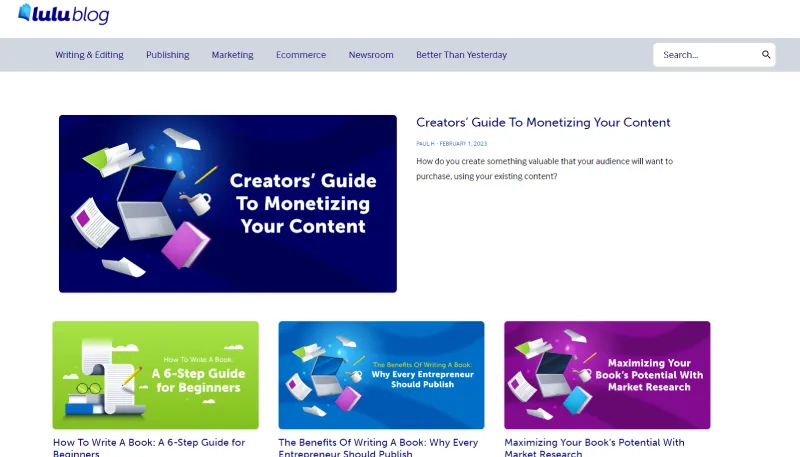
The Lulu blog covers strategies and the problems you meet as a self-published author, from formatting to how to market a self-published book. I published hardcover books through Lulu once, and I now use it only to diversify. For hardcovers and paperbacks I recommend KDP and IngramSpark, and I compare the two in Lulu vs Amazon.
3. IngramSpark Blog
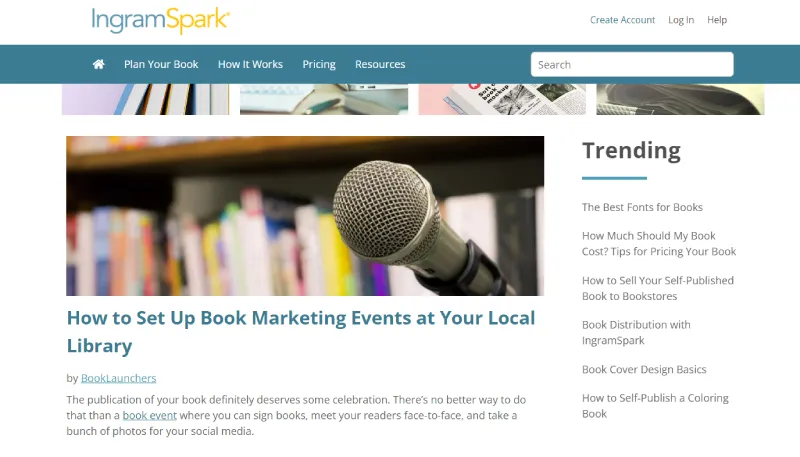
After Amazon, IngramSpark is my favorite place to sell a book, because it gets your books into bookstores and libraries, including Barnes & Noble. The IngramSpark blog shares author interviews and marketing ideas, and it is in their interest to help you sell more copies. If you are deciding between the two, read whether you can publish on both IngramSpark and KDP.
4. Writer’s Digest
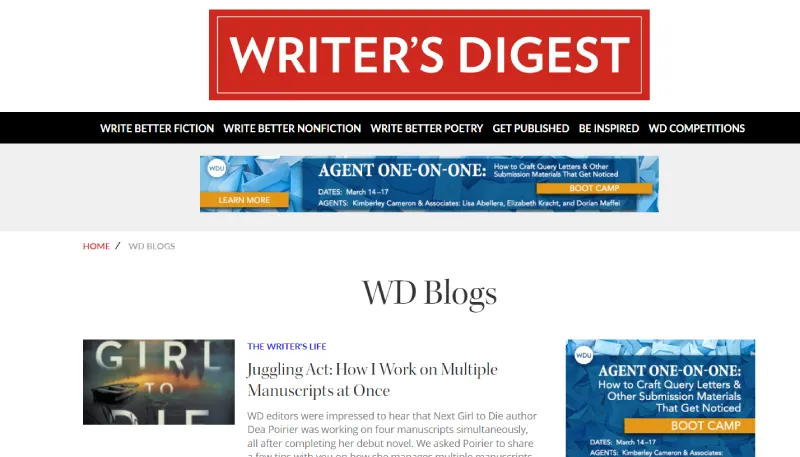
Writer’s Digest is one I have not explored as fully as the others. It covers writing practice and getting published more than self-publishing itself, so it is the one to read for the craft side.
5. Book Baby Blog
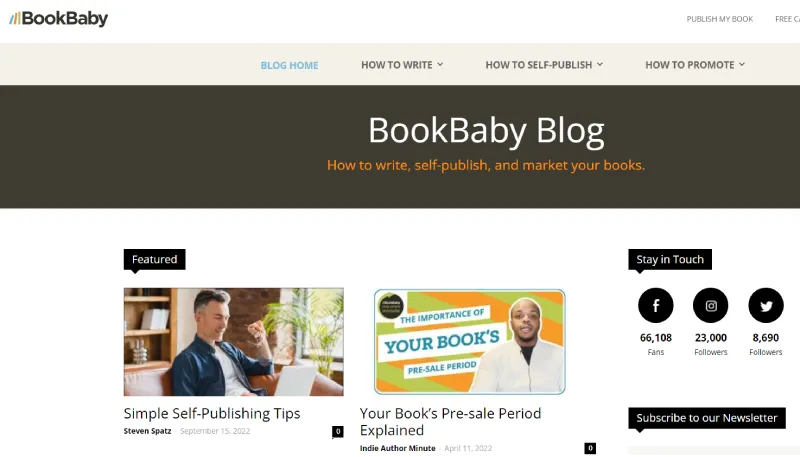
BookBaby is known for its promotions, and one of my books was featured in one a while back. They know how to get readers to click on titles, and the BookBaby blog posts several times a month on writing, publishing and promotion.
6. Kristen Lamb
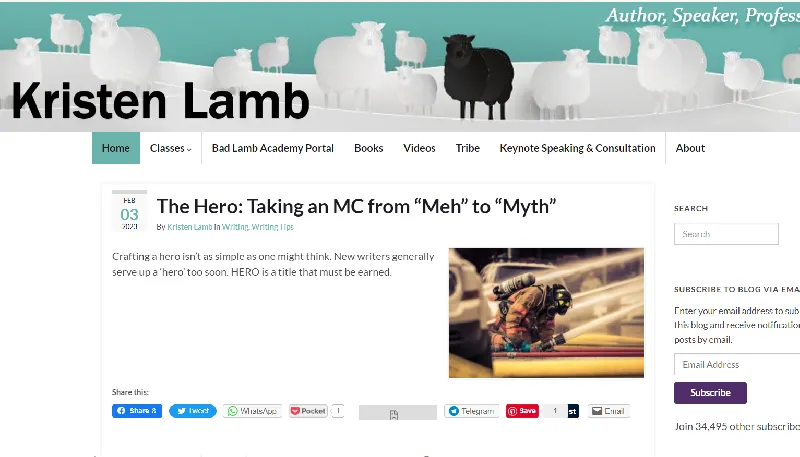
Kristen Lamb’s blog covers her own story as an author and what she keeps learning about craft and the writing life. All of these blogs share some of the same tips from different angles. Sometimes we have to hear the same thing 8 to 10 times before we say, maybe I should put this into action.
7. Draft2Digital (and Smashwords)
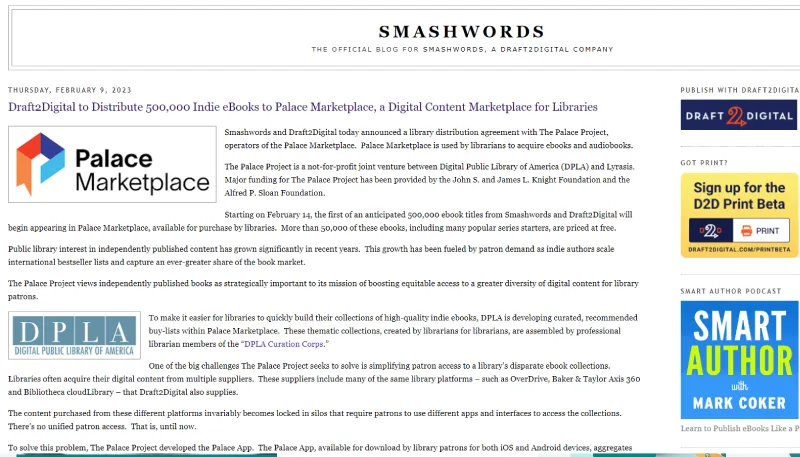
This spot used to go to Mark Coker’s Smashwords blog. Draft2Digital bought Smashwords in 2022 (Draft2Digital), and the Smashwords blog has had no new post since December 2024. The Draft2Digital blog is where the news is now, including a July 2026 post on the difference between Draft2Digital and the Smashwords store. Read it if you want your ebooks in stores beyond Amazon.
8. Jane Friedman
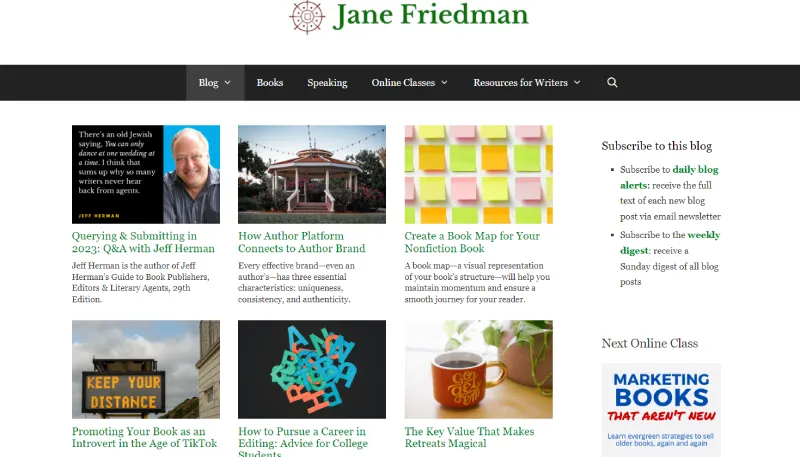
Jane Friedman’s blog has tips and strategies for self-publishing, traditional publishing and the craft of writing. If you only read one blog about how the book business works, make it this one.
9. David Gaughran
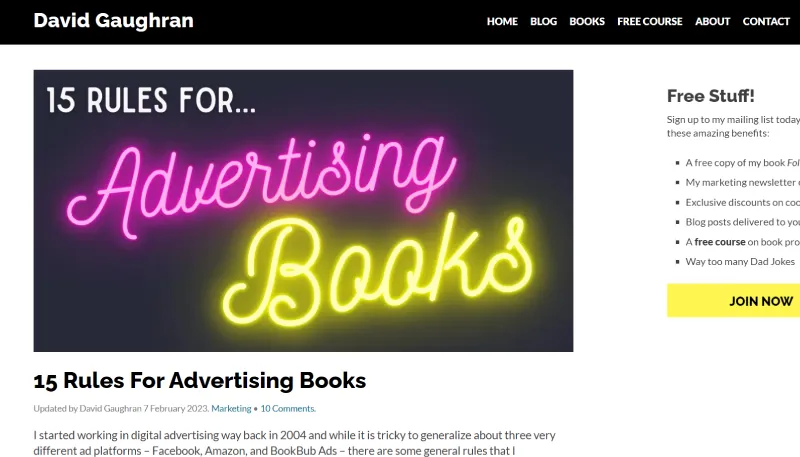
David Gaughran is one I discovered more recently. His advice covers many parts of self-publishing, from Amazon and marketing to how AI tools affect authors, and he posts warnings about services that take advantage of authors. He posts less often than the others.
10. The Creative Penn
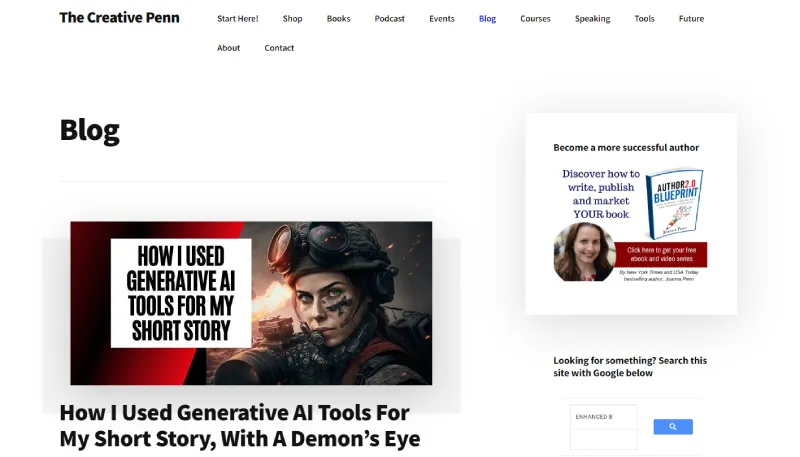
The Creative Penn is one I know well. I have followed Joanna Penn’s podcast and writing for years. She talks with many of the other people on this list, everybody has a different take, and she is one I trust. It is one of my top recommendations.
11. Prowritingaid
ProWritingAid is a tool I have a lifetime membership to. It finds structural problems in your book: sentences that are too long or hard to read, repeated words and phrases, passive voice and more. You go through the highlights and decide what to fix so the writing flows. The ProWritingAid blog covers the same ideas.
12. Kindleprenuer
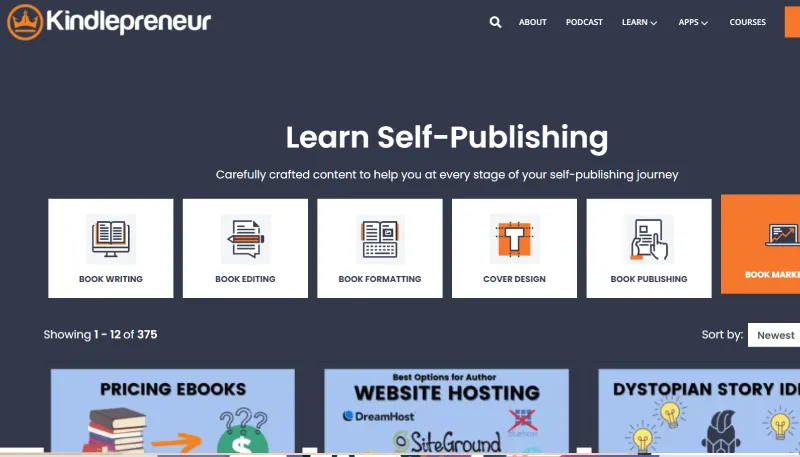
Kindlepreneur is another favorite. Over the years I have used many of the tools Dave Chesson recommends. He has a pile of free guides and tutorials on ads, keywords and the other parts of selling on Amazon, and he looks hard at the data side, which I find very helpful. Dave also founded Publisher Rocket and Atticus, two tools I recommend. If you want paid training as well, I list some in the best self-publishing courses from other people.
13. Grammarly
Grammarly is my favorite writing tool. It finds mistakes in your book and makes them easy to fix, in both the free and the premium version, and I rarely disagree with its suggestions. It works with Google Docs. The Grammarly blog covers how to make your manuscript as clean as possible. The footer of its site now reads Superhuman Platform, but the tool and the blog are still called Grammarly. My Grammarly review says whether the paid version is worth it.
14. Alliance of Independent Authors (Alli)
The Alliance of Independent Authors, or ALLi, advocates for independent authors and keeps up with what works as it changes. I am a member. ALLi’s own member page lists a private forum, an AskALLi advice service, downloadable guides, general contract and legal advice with agreement templates, a watchdog desk that rates services, a quarterly magazine, and discounts from its vetted Partner Members. Check that page for what is current before you pay for membership. Its blog is Self-Publishing Advice.
Self-publishing doesn’t stand still. What worked 5 years ago is often out of date now, which is a good reason to follow ALLi.
15. Writer Beware
Writer Beware is sponsored by the Science Fiction and Fantasy Writers Association. It exposes publishing scams, rights grabs in contracts and impersonation schemes, and it has more than 15 years of posts you can search by company name. I check it before I recommend any service, and I wrote about the scams I see most often. The Passive Voice, which used to be number 15 here, no longer runs as the same blog, so I replaced it.
How do I follow all of these blogs?
Use a feed reader such as Feedly (what I use) to pull the blogs into one place, then skim the headlines once or twice a week and read only what fits your next step. Each blog brings something different. You don’t learn a few skills and finish: to make sales you need the steady flow of ideas on writing, covers, data, ads, money and business setup that these blogs produce.
I suggest subscribing to at least a few, and of course this one. What blogs are you reading? Tell me in the comments.
Reading is the start. If you want a plan for your own book, grab my free 12-step self-publishing checklist.
Frequently asked questions
Which self-publishing blog should I follow first?
Start with Jane Friedman for the full picture of publishing, The Creative Penn for the author business, and Kindlepreneur for Amazon and ads. Add ALLi once you want advice you can trust on services and contracts.
How do I follow several blogs without it taking over my day?
Use a feed reader such as Feedly and subscribe to a handful of blogs. Skim the headlines once or twice a week and read only what applies to your next step.
How do I check whether a publishing service is a scam?
Search the company name on the Writer Beware blog, which is sponsored by the Science Fiction and Fantasy Writers Association, and read the contract before you pay anything.
Start with the free checklist
The checklist is the 12 steps I follow for every book I publish, from choosing a topic that already sells to setting up the book's marketing. It is free, and you get it straight away.
You get the free checklist and Chris's emails. Unsubscribe any time. Privacy policy
Not sure yet? Book a free 25-minute call
Newest posts
- IngramSpark Standard vs Premium Color: Which Interior for Your Book?
- Which AI Should You Use to Write and Self-Publish a Book?
- What Can I Do Before My Manuscript Is Finished? Five Jobs to Start Now
- How Should I Title My Book's Chapters?
- Atticus or Reedsy Studio: Which Should You Use to Format Your Book?
Popular guides
- Lulu Self-Publishing Review 2026: Pros, Cons and Costs
- IngramSpark Review 2026: Free Setup, New Fees and Is It Worth It?
- Is Pegasus a Vanity Publisher? (2026 Update)
- Can You Sell Self Published Books On Etsy?
- How To Edit Your Books For Free With Grammarly
- Self Publishing Lulu VS Blurb?
- 5 Best Self Publishing Courses for Beginners (2026)
- How Long Should A Self-Published Book Be
- What Are The Minimum Amount Of Words For Paperback Books?
- Comparing Ingramspark, Lulu, and KDP Print
- How Many Books Do Self Published Authors Sell?
- Self-Publish For Under $199!