

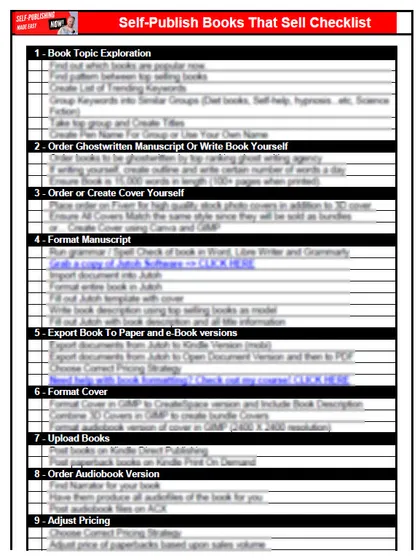
Get the free checklist: the 12 steps I follow for every book I publish.
YA can make money, but it is a hard niche for indie authors, and you should only write it if you enjoy it and plan to stay in it, book after book. The 2025 Written Word Media survey found almost no YA authors in the top income brackets. To see how many YA sales a month a certain income takes, use my book sales calculator. Below: what the survey says, why I find nonfiction easier to sell, and how to check a YA sub-niche before you commit.
Is YA profitable for self-published authors?
Less than you would think. YA has been popular for many years and the big series have sold an awful lot of copies. Harry Potter and Narnia are usually shelved as children’s or middle grade rather than YA, and The Hunger Games is closer to YA, but they show what a long series in one niche can do.
Those are traditional publishing numbers. The 2025 Written Word Media survey of 1,346 indie authors says YA was 2.5% of respondents, with “almost no YA authors in the top brackets”, because “the YA digital market is smaller than its print/trad counterpart” (Written Word Media 2025 Indie Author Survey, 02-Dec-25). Fantasy, science fiction, thriller and mystery showed stronger mid-range earnings, with some high earners in each. Those high earners write series, publish consistently and target a clear sub-niche.
So YA is possible, but it is not an easy place to start. If you already love it, read on.
Why did I start with nonfiction?
When I started I wrote nonfiction. My first books were not optimized because I did not understand what was necessary. I wondered if I should move to fiction, but it was not the answer. In many ways it is easier to make money in nonfiction, because people search for keywords.
In fiction, readers usually look by genre, niche or sub-niche, or for books similar to ones they already read. That matters in YA, where you have to work out how your book fits in the pool of everything on the market. See which is more profitable, fiction or nonfiction, and where should a first-time author publish.
Should you only write YA if you enjoy it?
Yes. The worst thing you can do is write in a niche you do not enjoy, because you need to do it for a long time to win. The survey backs this up: a catalog of 25 or more books gave a median income of about $3,000 a month, while about 80% of authors with one to three books earned under $100.
How long does it take to earn from a catalog?
Longer than most people expect, and the survey says so plainly. Authors with five to nine books have a median income of about $50 a month. At 25 or more books the median is about $3,000, and over 40% earn $5,000 or more a month. Children’s books were 3% of respondents and almost none of them were in the higher brackets (Written Word Media 2025 Indie Author Survey, 02-Dec-25). The figures are self-reported.
My advice: plan for a series and for years, not one book. If that sounds like a chore, YA is the wrong niche for you.
What do you set for a YA book on KDP?
KDP has an optional reading age field with five bands: 0 to 2, 3 to 5, 6 to 8, 9 to 12 and 13 to 17. It shows your intended audience on the book’s detail page. Amazon can change the age shown, based on customer reviews, and once a customer-recommended age exists you can no longer update it through KDP. Edits can take up to 48 hours to show on Amazon (KDP reading age help).
For a YA book I would set 13 to 17 if that is who you wrote for, so the page tells the right readers it is theirs. That is my advice, not a KDP rule.
Should my book go in Teen and Young Adult or adult categories?
It follows the reading age you set. KDP says that to appear in Teen and Young Adult categories, you set the reading age between 13 and 17 in the Primary Audience section of your book’s details (12 to 15 on Amazon.de). Children’s categories need one of the children’s ranges instead. KDP also says to choose categories that describe your book (KDP Categories help).
So a book with a teenage hero but an adult reading age won’t stay in a Teen and Young Adult category. The reading age and the category have to agree. I covered the reading age field in the section above.
My advice, not a KDP rule: choose by who the book is written for. If you wrote it for teenagers, set the teen reading age and use the teen categories. If you wrote it for adults who happen to like a young hero, use adult categories. Don’t pick a shelf because it looks quieter.
My book is upper YA, new adult or adult. Should I leave the reading age blank?
The field is optional. KDP says a Children’s or Teen and Young Adult book without an appropriate reading age may not be eligible for those categories and won’t appear in age-specific search, and the top band is 13 to 17, for teen and young adult chapter books (Primary Audience and Reading Age). KDP’s metadata rules add that answering Yes to the sexually explicit question makes a book ineligible for Children’s categories (Metadata Guidelines).
My advice, not a KDP rule: if you wrote the book for adults, including new adult, leave it empty. No band fits, and the search it unlocks is for younger readers. If it is upper YA written for teenagers, set 13 to 17. If you set an age by mistake, clear it, republish and check the detail page. KDP’s steps on that page: on the Bookshelf, open the ellipsis button, choose Edit details, go to Primary Audience, then Save and Continue to the Pricing page and Publish.
Should you switch niches?
No, stay for the long haul. You write book after book, getting better each time. J.K. Rowling stayed with Harry Potter for years and only wrote adult novels once she was hugely established (The Casual Vacancy in 2012, then crime novels as Robert Galbraith). Most of us are not at that point.
Jumping from niche to niche builds no authority and no audience. Readers who loved your last book may buy the new one and find you have switched niches, and then give terrible reviews. Going from YA to adult can cause a backlash in both directions, because they cannot tell what type of author you are. If you want a different audience, use a different pen name.
How do you pick a YA sub-niche?
Look at what the best-selling books in each sub-niche are right now. Then look inside those sub-niches for gaps, little gold nuggets that are not crowded. Choose one, and make sure you enjoy writing in it. For more on how others have done, see Amazon Kindle self-publishing success stories and can you self-publish on Kindle and make money.
Want to check your niche before you write ten books? The first step in my free 12-step self-publishing checklist is choosing a profitable niche with keyword research.
Have you written YA books, or are you thinking about it? Tell me in the comments.
Listen to this episode on Spotify
Frequently asked questions
Do self-published YA books sell?
Some do, but YA is a hard niche for indie authors. In the 2025 Written Word Media survey, YA was 2.5% of respondents and almost none of them were in the top income brackets, since the digital YA market is smaller than the print and traditional one.
Is YA easier to sell than nonfiction?
No. Nonfiction readers search for an answer to a problem, so keywords find them. YA readers look by genre, sub-niche, or for books like ones they already read.
What do successful indie authors do differently?
The survey says high earners in genre fiction write in series, publish consistently and target a clear sub-niche. A catalog of 25 or more books gave a median income of about $3,000 a month.
Can I switch from YA to adult books under the same name?
You can, but readers of the first books may feel misled and leave bad reviews. Use a separate pen name for a different audience.
What reading age should I pick for a YA book on KDP?
The reading age field is optional and has a 13 to 17 band. Amazon can change the age shown based on reviews, and edits can take up to 48 hours to show.
Start with the free checklist
The checklist is the 12 steps I follow for every book I publish, from choosing a topic that already sells to setting up the book's marketing. It is free, and you get it straight away.
You get the free checklist and Chris's emails. Unsubscribe any time. Privacy policy
Not sure yet? Book a free 25-minute call
Newest posts
- IngramSpark Standard vs Premium Color: Which Interior for Your Book?
- Which AI Should You Use to Write and Self-Publish a Book?
- What Can I Do Before My Manuscript Is Finished? Five Jobs to Start Now
- How Should I Title My Book's Chapters?
- Atticus or Reedsy Studio: Which Should You Use to Format Your Book?
Popular guides
- Lulu Self-Publishing Review 2026: Pros, Cons and Costs
- IngramSpark Review 2026: Free Setup, New Fees and Is It Worth It?
- Is Pegasus a Vanity Publisher? (2026 Update)
- Can You Sell Self Published Books On Etsy?
- How To Edit Your Books For Free With Grammarly
- Self Publishing Lulu VS Blurb?
- 5 Best Self Publishing Courses for Beginners (2026)
- How Long Should A Self-Published Book Be
- What Are The Minimum Amount Of Words For Paperback Books?
- Comparing Ingramspark, Lulu, and KDP Print
- How Many Books Do Self Published Authors Sell?
- Self-Publish For Under $199!