Book a free 25-minute call. Tell me where your book is now.
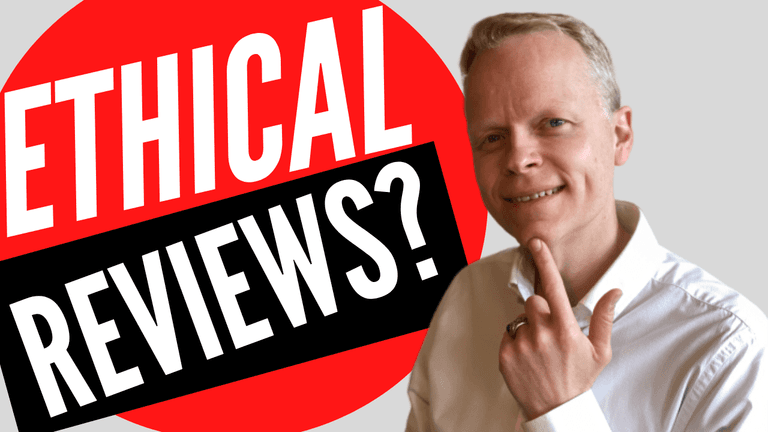
The ethical way to get reviews on Amazon is to ask your own readers, mainly through a note in your book and your email list. Never pay for reviews, swap them with other authors or ask people in your household to write them. Below is what went wrong when I started, what to avoid, and what works.
Why did my family and friends’ reviews disappear?
When I first started, I asked family and friends to review my books. The reviews went live on Amazon and then quickly disappeared, even when I asked them to repost. I couldn’t figure out what the problem was. Amazon looks closely at reviews. They want unbiased ones, and reviews from people close to you are often removed.
But how was I supposed to get reviews when I didn’t have a reader base? One day, while posting my books in Facebook groups, another author contacted me and said, “If you review my book, I’ll review yours.” That was my first exposure to review swapping, which was a common practice back then and which I would not recommend now. Amazon wants organic reviews, not reviews from other authors, because there’s an expectation that if you leave a low review, they’ll leave you a low one, which pushes both sets of reviews higher than they should be.
I did complete my first swap and it seemed to work fine. Later Amazon started sending warnings to authors who did this, and to authors who used virtual assistants to swap. The virtual assistant method has your assistant find other assistants, and they exchange reviews of each other’s books. It also confused the algorithm: one day your book is about puppy training, and the next the reviewers are reading Harry Potter.
Swaps and assistant exchanges are a gray zone, but some people had their accounts taken down. It might make sense to swap with a friend who also wrote a book, but it can get you into serious trouble, so I recommend not doing it.
How do I get reviews from readers the right way?
Build an email list and ask your readers to review your book. Email marketing is the most effective method I found, and it’s still probably the most effective. These are people who already took the time to buy and read your book, so ask them to help, and why I go after written reviews and not only stars is in what to do first when your book is live on Amazon. If you haven’t started a list yet, read why an email list is essential.
- Add a page at the end of the book with a link: “If you liked this book, please leave a review here, as it helps more people find it.”
- Don’t tell readers to leave a five-star review. KDP says a free or discounted copy is fine only if you don’t require a review or try to influence it, and reviews posted in exchange for compensation are not posted (KDP customer reviews help).
- Email your list when you launch a book and invite them to read it and say what they think.
- If you offer an advance copy, don’t require or pay for a review and don’t ask for a particular star rating. The FTC’s rule allows incentives only when there is no requirement that the review be positive or negative (FTC rule Q&A). KDP’s own rule is stricter: anything beyond a free or discounted copy, such as a gift card, invalidates the review (KDP customer reviews help).
Reviews help new readers decide, so get your email list going early. Many apps ask if you liked the app and send only happy users to the review page. In a book, put the same request in front of every reader. If people like your book they generally won’t do anything unless you ask, which is why you should always include a page in the book asking for a review. Unhappy readers tend to write reviews without being asked. For a fuller plan, see how to get Amazon Kindle reviews.
Can family or people on my internet connection review my book?
No. Don’t ask anyone on your own internet connection or in your household to review your book. Amazon wants reviews to be as organic as possible, and it can see when reviews come from the same IP address in your household. That creates problems for you.
Can I review other authors’ books now that I’m an author?
It depends on the site. Amazon’s Community Guidelines say you may not review your own product or a competitor’s product. They also rule out products you have a financial interest in and products from authors you have a personal connection with. Amazon’s page doesn’t say which books count as a competitor’s. Goodreads is more open: its Author Program page lists writing reviews among what authors can do, and its Author Guidelines suggest you shelve and review the books you love. My own rules: never review your own book anywhere, and delete a review of it if you posted one. On Amazon, skip books in your own genre and books by authors you know. Review as a reader on Goodreads, and never review in return for a review.
Is it illegal to pay for book reviews?
Paying somebody to review your book is against Amazon’s rules (KDP says reviews posted in exchange for compensation are not posted), and in the US it is against the law when the payment depends on what the review says. The FTC’s final rule on fake reviews took effect on 21-Oct-24. It bans buying reviews that require a particular sentiment, selling or buying fake reviews, and insider reviews that don’t disclose the writer’s connection to you (FTC announcement, 14-Aug-24). It lets the FTC seek civil penalties against knowing violators. Rules differ in other countries, so check where you live, and ask a lawyer if you’re unsure. On top of that, if you pay for a five-star review you risk a permanent ban from Amazon.
Stay away from anyone offering five-star reviews for a price, and anyone who reviews random book genres. If anyone came to me and said, “I can get a five-star review for your book,” I would turn them down immediately. I don’t want to risk the money that comes through Amazon every day for one more review.
I’ve known many people who got in trouble using gray-area solutions. White hat is a practice everyone is happy with, including Amazon and the government. Black hat breaks rules or the law. Gray hat isn’t illegal where you live but might break the company’s policies. Loopholes are very risky on your primary account. I’ve heard self-publishers say never test a loophole on your main account, and I’ve seen several authors get banned doing exactly that. Stick to the standard methods in this post, which keep your accounts safe.
Reviews are the biggest headache on Amazon. It’s tricky, it’s frustrating, and even legitimate reviews are regularly taken down. Don’t overlook it when you’re getting started.
What have you found works for getting your books reviewed? Let me know in the comments. If you’d like me to look at your book’s review plan, book a free 25-minute discovery call.
Free promotions are a common way to get readers, but they do not bring page reads, which Kindle Unlimited pays for.
Listen to this episode on Spotify
Frequently asked questions
Can I give out free copies in exchange for reviews?
Giving a free advance copy is allowed under the FTC rule only if you don't require a positive or negative review (FTC). KDP allows a free or discounted copy as long as you don't require a review or try to influence it (KDP customer reviews help). My steps are in setting up an advance review team.
Why did Amazon remove my friends' reviews?
Amazon wants unbiased reviews and often removes ones from people close to you. That happened to the first reviews on my own books.
Can authors review other books on Amazon?
Amazon's Community Guidelines say you may not review your own product or a competitor's product, or products from authors you have a personal connection with (Amazon). The page doesn't say which books count as a competitor's. My rule is to skip books in your own genre and books by authors you know.
Is it illegal to buy book reviews?
In the US the FTC's rule bans buying reviews that require a particular sentiment and selling or buying fake reviews, and the FTC can seek civil penalties against knowing violators (FTC announcement, 14-Aug-24). Check the rules where you live. Amazon can also close your account.

Free 25-minute self-publishing call with Chris Baird
Tell me where your book is now. You leave the call with a clear next step for publishing it.
Free, 25 minutes on Zoom, no card needed.
Newest posts
Popular guides
- Lulu Self-Publishing Review 2026: Pros, Cons and Costs
- IngramSpark Review 2026: Free Setup, New Fees and Is It Worth It?
- Is Pegasus a Vanity Publisher? (2026 Update)
- Can You Sell Self Published Books On Etsy?
- How To Edit Your Books For Free With Grammarly
- Self Publishing Lulu VS Blurb?
- 5 Best Self Publishing Courses for Beginners (2026)
- How Long Should A Self-Published Book Be
- What Are The Minimum Amount Of Words For Paperback Books?
- Comparing Ingramspark, Lulu, and KDP Print
- How Many Books Do Self Published Authors Sell?
- Self-Publish For Under $199!