Book a free 25-minute call. Tell me where your book is now.
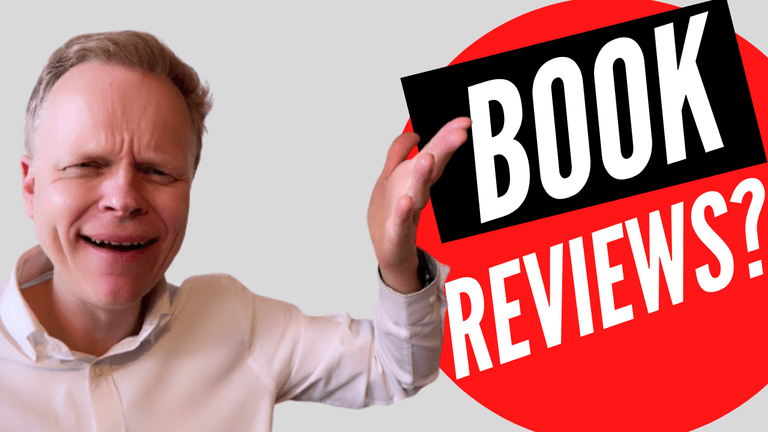
Reviews matter a lot for self-published books, and the safe way to get them is an advance review team built from your email list. Family reviews, review swaps and bought reviews break Amazon’s rules and can cost you the reviews or the account. Below is what I learned, including the mistakes I made with my first book.
Why do reviews matter so much?
A new book has no reviews, and buyers wonder “why should I buy this?” and “what did other people think?” You need social proof. The few of my books that got reviews sold far better than those without. Reviews also matter for ads, because the star rating and number of reviews show next to your ad. A book with 50 reviews at four and a half stars gets more clicks, which tells Amazon your ads work, and it converts better on the sales page, along with the other parts I cover in optimize your Amazon book page.
Three to five stars is fine. Three means the book delivered enough value to keep its promise, even with some formatting problems, and many books that sell tons of copies sit in that range. One and two stars can kill sales, and if you get them you should take the book down and fix it.
What happened when I tried to get reviews?
My first idea was to ask my family. Those reviews were removed right away, because Amazon sees they are connected to me. Then I ran my ebook on a KDP Select free promotion and posted it in Facebook groups. Many people downloaded it, but most don’t leave reviews, and the ones who did complained about things I couldn’t control: slow download, how the book looked on their reader, shipping time, paper quality.
Then someone offered a review swap: you review mine, I review yours.
Why is review swapping a bad idea?
Swapping is a violation of Amazon’s rules. Amazon’s community guidelines say Amazon removes reviews posted by someone with a financial interest or other conflict of interest, and prohibits creating or editing reviews in exchange for compensation. Free advance copies of books can’t require a review. If you are in an anthology, the same rule applies to you as a contributor: see how to self-publish an anthology.
Swaps also create pressure to be kind, so you trade five stars for five stars, and the genres are all over the place, which confuses Amazon’s algorithm. The same thing happens on YouTube with sub-for-sub swaps, which can get an account banned. Some top Amazon reviewers post reviews for five to ten products a day, and an exact author-to-author exchange is easy to see.
Fake reviews are worse. Amazon takes legal action against brokers who sell them. In July 2025 Amazon and the Better Business Bureau went after the operators of a site selling “Five Star Amazon Verified Reviews” (Amazon). Be careful if people in Facebook groups offer to get you reviews. It risks the income from all your Amazon books. Reviewers on Amazon must also have spent $50 on Amazon.com in the past 12 months.
How should I reply to a bad review?
Neutrally. Many bad reviews are unfair, about delivery or paper quality, or about a disagreement with the topic, for example a vegan dog food book where the reviewer doesn’t believe in veganism, or one that touches religion or politics. On Goodreads, the site’s own guidelines say not to reply at all (what to do on Goodreads). Thank them for their opinion, say you can’t fix delivery or that you disagree, and don’t get into name-calling. Anyone who reads the reviews will see that you take them seriously, and that the review isn’t a fair judgment of the book.
But if several reviews point out the same flaw, such as editing mistakes, don’t just say “I’ll try better next time”. Take the book off the market, fix it and put it back. Fixing mistakes after launch is part of how you have a self-published book you can be proud of.
Is a paid Kirkus review worth it?
Kirkus Indie sells paid reviews. On its Indie page on 30-Oct-26 a Traditional Review started at $450 with a 7 to 9 week turnaround, an Expanded Review started at $599, and a Picture Book review started at $399. Expedited options cost more. A paid review is not an Amazon review, and it will not fix a book that has no readers yet. I would only spend that money if you have a clear plan for the quote, such as your book page, your media kit or a library pitch. Check the current prices on the Kirkus site before you decide, since they can change.
What is the safe way to get reviews?
Plan it before you publish. Build an advance review team from your email list: in your books, offer something free in exchange for an email address. I recommend MailerLite for the list, and I go through the setup in setting up an advanced review team. Building a list is the best use of marketing money other than content marketing. Then offer readers who like the book a sample of your next one before it comes out, and ask for an honest review. You can’t tell them how many stars to give, and the free copy can’t depend on a good review. Asking readers this way doesn’t break Amazon’s terms.
Virtual assistants and others still offer review services, and it gets more dangerous every year. I have nothing against the people, but it threatens your whole account.
Do you have trouble getting reviews? Tell me in the comments. If you want help building an advance review team the safe way, book a free 25-minute discovery call.
Listen to this episode on Spotify
Frequently asked questions
Can I ask family and friends to review my book?
I wouldn't. Amazon's guidelines say it removes reviews from people with a personal connection or a financial interest. When I asked my family, those reviews were taken down at once.
Can I give out free copies for reviews?
You can give free advance copies to readers, but Amazon says they can't require a review in exchange for free books. Ask for an honest review if they enjoy the book, and never tell them how many stars to give.
How many stars does my book need?
Three to five stars on average is fine, and many books that sell well sit in that range. One and two stars will kill sales, and several reviews that name the same flaw mean the book needs fixing.

Free 25-minute self-publishing call with Chris Baird
Tell me where your book is now. You leave the call with a clear next step for publishing it.
Free, 25 minutes on Zoom, no card needed.
Newest posts
Popular guides
- Lulu Self-Publishing Review 2026: Pros, Cons and Costs
- IngramSpark Review 2026: Free Setup, New Fees and Is It Worth It?
- Is Pegasus a Vanity Publisher? (2026 Update)
- Can You Sell Self Published Books On Etsy?
- How To Edit Your Books For Free With Grammarly
- Self Publishing Lulu VS Blurb?
- 5 Best Self Publishing Courses for Beginners (2026)
- How Long Should A Self-Published Book Be
- What Are The Minimum Amount Of Words For Paperback Books?
- Comparing Ingramspark, Lulu, and KDP Print
- How Many Books Do Self Published Authors Sell?
- Self-Publish For Under $199!