traditional publishing
15 posts with this tag
Should I Take a Small Press Offer or Self-Publish?
A good small press pays you, never charges you and lets you get your rights back. How to check one, what to read in the contract, and when to self-publish.
The Easiest Way to Self-Publish Your Book in 3 Steps
Three steps: a manuscript, formatting and editing, and a cover. The fourth decides sales: a title and subtitle people click. The shortest route I know.
Self-Publishing for Business Owners: A Complete Overview
Yes. A book shows what you know, brings in customers and builds your email list while you keep control. Goals, audience, writing, publishing and marketing.
Self-Publishing for Coaches: A Complete Guide
A short book is one of the best ways for a coach to get leads and clients, and you keep control of your brand. Audience, topic, title, writing and marketing.
Self-Publish vs Publisher: Know the Difference
Self-publishing gives control, speed and higher royalties; a traditional publisher gives an agent, an advance and bookstores. Compare royalties, time and cost.
15 Famous Self Published Authors You Need to Know
15 authors who self-published or started small, from Beatrix Potter to Andy Weir, what really happened, and why self-publishing keeps traditional deals open.
3 Different Types of Publishing with Pros and Cons
I recommend self-publishing to almost every author. Hybrid means you pay up front, traditional pays an advance. Pros, cons and royalties of each compared.
Vanity Press: What it Is & How To Avoid Publishing Scams
A vanity press makes the author pay. How it differs from hybrid and self-publishing, the red flags (reading fees, big promises), and what to check first.
What does self publishing a book mean?
Self-publishing means you publish your book without a publisher, keep control and pay for the steps yourself. How it differs from hybrid and vanity.
What Is The Self Publishing Definition?
Self-publishing means publishing without a traditional publisher, with you keeping control and rights. Learn the options and the warning signs of rights grabs.
Is It Better To Self Publish?
For most authors, self-publishing is better: you keep the rights and a bigger royalty share. Compare real contract rates and learn when a publisher makes sense.
What Are The Self Publishing Pros And Cons?
Pros: higher royalties, control and speed. Cons: you learn and pay for everything yourself and nobody checks quality. How it can lead to a traditional deal.
Which Is Cheaper Traditional Or Self-Published Books?
Traditional publishing costs nothing upfront but is hard to get into. Self-publishing costs more and pays more per book. Judge by return, not cost.
Can I self-publish as an eBook and then later approach a publisher for paperback?
Yes, you can self-publish an ebook and later approach a publisher for the paperback. See why proven sales help, what rights to protect, and when to stay indie.
12 Top Reasons You Should Be Self Publishing On Kindle To Make Money Online
Why self-publish on Kindle? It is free to start, has no gatekeepers, pays 70% on ebooks priced $2.99 to $12.99, and you keep full rights and control.







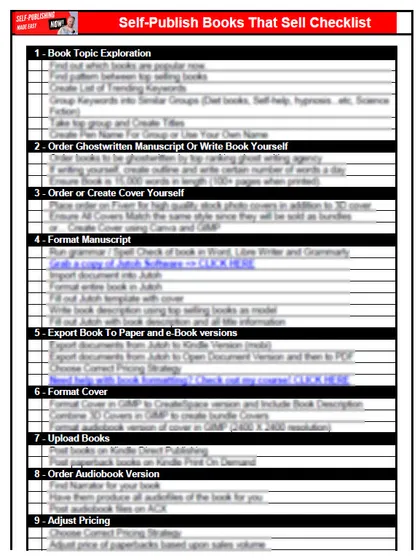
Start with the free checklist
The checklist is the 12 steps I follow for every book I publish, from choosing a topic that already sells to setting up the book's marketing. It is free, and you get it straight away.